Home
Get Involved
Volunteer & Events
TEC Ambassadors
Pollinator Gardens
Compost
>
Submit Compost Totals Here
Community Success Stories
Resources for Businesses
Recycling Roundups
Watershed
>
Davidson County Litter Cleanups
Grassy Branch Creek Restoration Project
Lytle Creek Restoration Project
Duck River Opportunities Project
Stream Support and Consulting
Citizen Action Guide
Tree Program
>
Tennessee Tree Day
>
Tree Planting & Care
Useful Tree Resources
Benefits of trees
Tennessee Chestnut Project
Guidelines For A Tennessee Tree Project Event
Tennessee Tree Varieties We Have Planted
Donate & Ways to Give
Sponsorship Opportunities
About Us
Our Team
Board of Directors
Intern with TEC
Join Our Team
Mission, Vision & Accomplishments
50 Years of Accomplishments
Proper Tree Planting Techniques
Planting Tips and Tree Care
Benefits of Dormant Season Pruning
: Davey Tree Service
Insect and Disease Management
: Bartlett Tree Experts
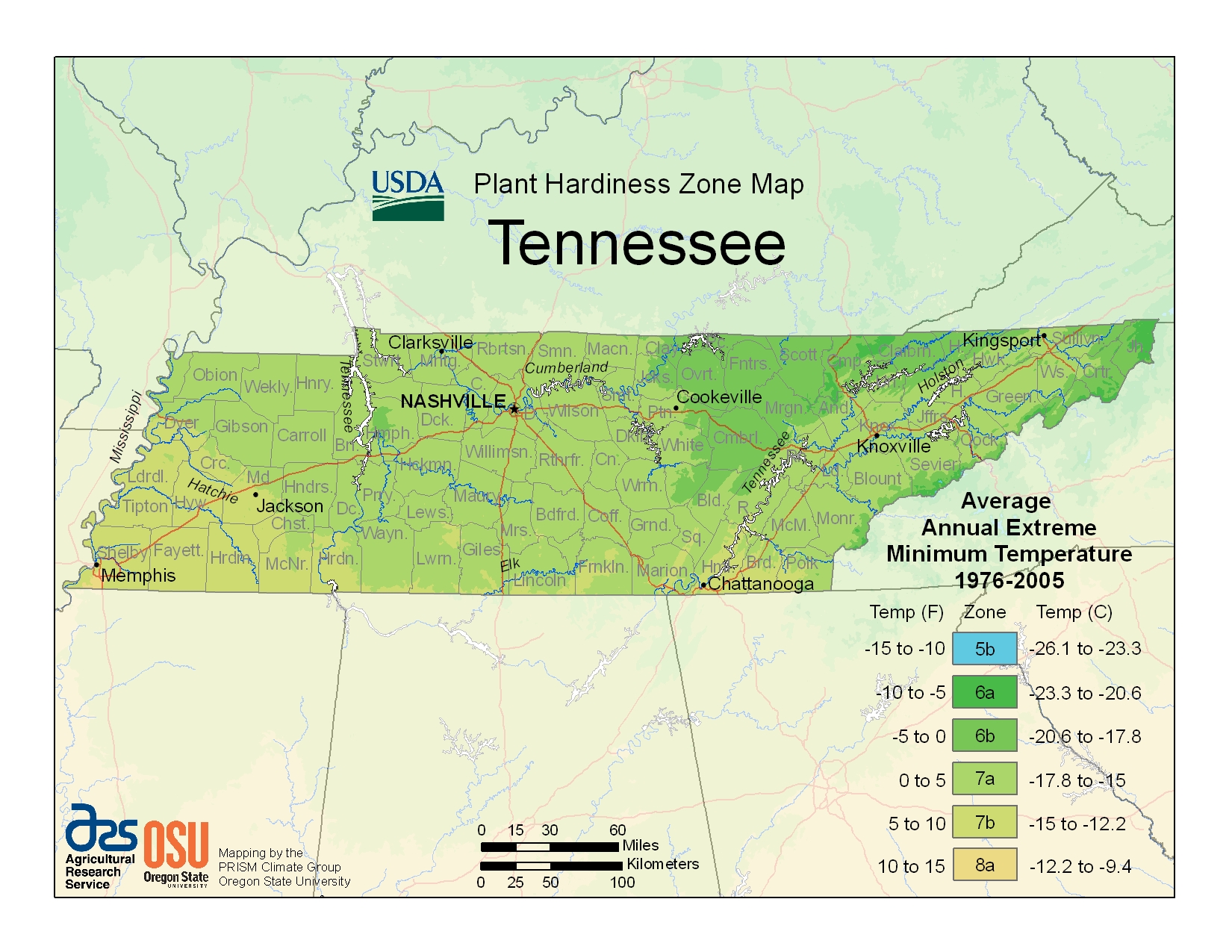
Tennessee: Plant Hardiness Zone Map
: USDA
Tree planting procedure for small bare root seedlings
fall season: TN Dept. of Agriculture / UTIA Extension publication
Urban Tree Resource Center
includes trouble shooting insect damage or disease and tree care tips, and how to plant containerized trees: Nashville Tree Foundation
Caring for your tree (Watering, Pruning & Mulching)
How long does it take a bare root seedling to grow?
More Resources
Home
Get Involved
Volunteer & Events
TEC Ambassadors
Pollinator Gardens
Compost
>
Submit Compost Totals Here
Community Success Stories
Resources for Businesses
Recycling Roundups
Watershed
>
Davidson County Litter Cleanups
Grassy Branch Creek Restoration Project
Lytle Creek Restoration Project
Duck River Opportunities Project
Stream Support and Consulting
Citizen Action Guide
Tree Program
>
Tennessee Tree Day
>
Tree Planting & Care
Useful Tree Resources
Benefits of trees
Tennessee Chestnut Project
Guidelines For A Tennessee Tree Project Event
Tennessee Tree Varieties We Have Planted
Donate & Ways to Give
Sponsorship Opportunities
About Us
Our Team
Board of Directors
Intern with TEC
Join Our Team
Mission, Vision & Accomplishments
50 Years of Accomplishments
🡳
Volunteer